Mold Remediation: Hidden Risks After Water Damage
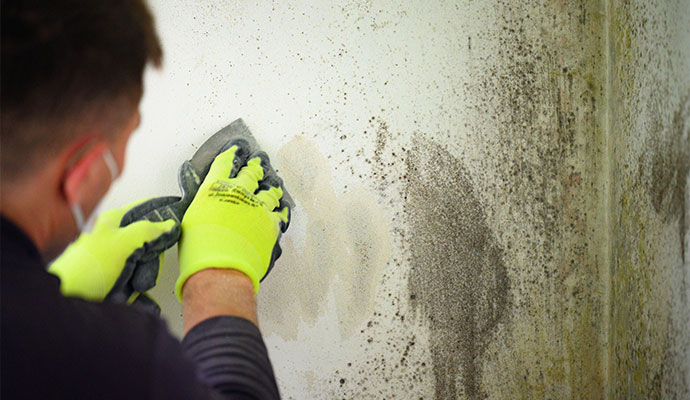
Water damage can feel like an isolated event, but the real danger often begins after the cleanup. Hidden mold growth can compromise a home’s structure, reduce indoor air quality, and even impact resale value. Even minor leaks, slow drips, or minor flooding can create the perfect conditions for mold.
We’ve teamed up with JRCC Damage Restoration Experts to help you understand the hidden risks of mold, recognize early warning signs, know when to call a professional, and take preventative measures. Whether you live in a condo in New York or a house in Phoenix, these are all critical steps in protecting both your health and your home’s value.
Understand why mold becomes a hidden problem
Mold can begin growing within 24 to 48 hours of water exposure. Because mold often grows out of sight — behind walls, under flooring, and in insulation — homeowners may underestimate the scope of the problem. Even if surfaces appear dry, moisture trapped in walls, subfloors, or insulation can allow mold colonies to take hold.
Homeowners who attempt DIY cleanup without proper tools, like dehumidifiers or air scrubbers, can inadvertently spread spores throughout the home. Homes in humid climates or with poor ventilation are particularly vulnerable to hidden mold growth.
“Chronic, slow leaks — often hidden behind walls, under flooring, or inside cabinets — are the biggest culprits,” says JRCC. “Because the moisture exposure is continuous, these areas become prime real estate for deep-rooted mold colonies, wood rot, and compromised building materials.”
On the flip side, clean-water events caught early — such as a washing machine overflow or a sudden pipe burst — can be remediated far more effectively. When homeowners call for professional help quickly, we’re able to extract water, dry structural materials, and prevent mold before it takes hold. Fast action is truly the difference between restoration and reconstruction.”
Identify early indicators of hidden mold
Mold often grows silently, but several signs can indicate its presence:
Not all mold is visible, and it’s important not to wait for large colonies to form before taking action.
Health and structural risks
Mold exposure can cause eye, skin, and respiratory irritation, especially in children, older adults, and those with asthma or allergies. Long-term exposure reduces indoor air quality and can make a home uncomfortable or unsafe.
Structurally, mold can weaken wooden framing, subfloors, and insulation, leading to costly repairs. Homes with known or visible mold issues may also face lower offers or longer time on the market.
When to call a remediation professional
Mold remediation professionals should be consulted if:
Certified professionals use moisture meters, infrared cameras, and containment methods to locate mold and safely remove it. DIY remediation risks spreading spores further, worsening the problem.
What proper remediation should include
Professional remediation typically involves several steps:
These steps ensure the home is safe, clean, and prepared for repairs or sale.
How to prevent mold after water damage
Preventative measures can reduce the risk of mold after water events. For most families, the biggest worry after water damage isn’t the mess — it’s the fear of hidden mold growing silently behind walls or under flooring. The goal is to protect your home without disrupting daily life, and the good news is that the right steps make this completely achievable.
Here’s what JRCC recommends you do to prevent hidden mold growth after water damage while minimizing disruption to your daily life.:
Get professional moisture mapping
Mold doesn’t grow simply because an area got wet — it grows because it stayed wet. Using thermal imaging and moisture meters, we identify hidden pockets of water you’d never detect on your own. This prevents unnecessary demolition and ensures only the right areas are dried.
Use targeted structural drying — not whole-house chaos
Modern restoration equipment allows us to dry wall cavities, hardwood floors, and subflooring without tearing everything apart. Techniques like Injectidry Systems, controlled dehumidification, and directed air movement keep the disruption minimal.
Maintain airflow and humidity control
Once drying begins, keeping the home below 50% relative humidity and allowing the equipment to run continuously is one of the simplest — and most effective — ways to stop mold in its tracks.
Watch for the warning signs
Musty odors, drywall discoloration, or flooring that starts to cup or buckle should prompt a quick call. Early detection prevents a small problem from becoming a full remediation project.
With the right strategy, homeowners can avoid hidden mold entirely while keeping their household running smoothly.
Reach Out Now for Professional Restoration and Cleaning Services in
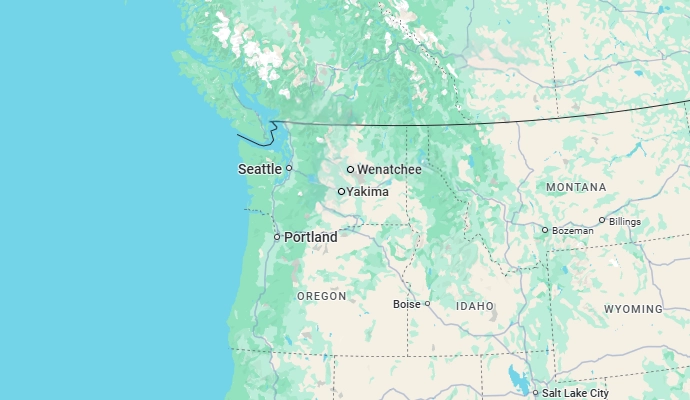
Yakima and Wenatchee
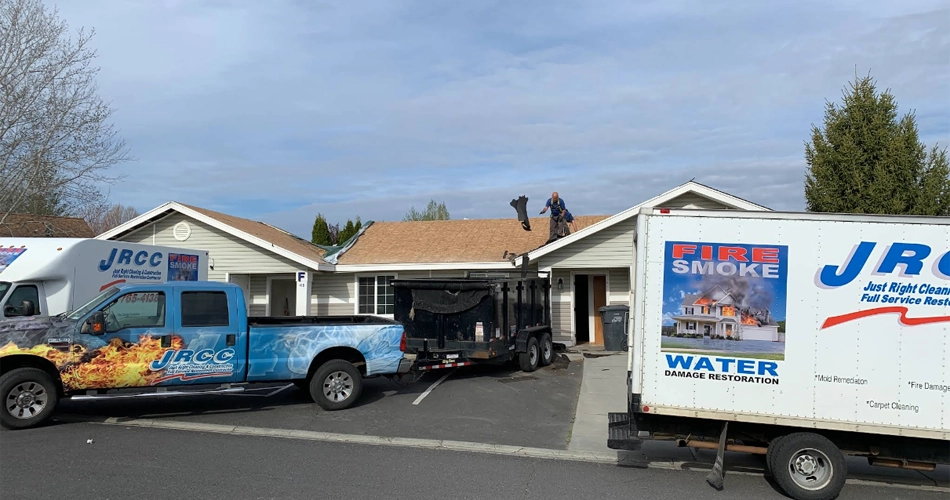
Every second counts when disaster strikes. Just Right Cleaning and Construction helps property owners across Yakima and Wenatchee recover from water, fire, and storm damage.
We respond immediately to secure your property and complete the restoration safely. Don’t wait and let the damage escalate! Call or contact us online right now to begin. We’ll restore your home or business to its pre-damaged condition.
- Almira
- Atwood
- Benton
- Brewster
- Brownstown
- Cashmere
- Chelan
- Cle Elum
- Connell
- Coulee City
- Cowiche
- Dryden
- East Wenatchee
- Easton
- Ellensburg
- Entiat
- Ephrata
- Eschbach
- George
- Gleed
- Goldendale
- Goose Prairie
- Grand Coulee
- Grandview
- Granger
- Harrah
- Highland
- Kennewick
- Klickitat
- Lake Wenatchee
- Levenworth
- Liberty
- Lind
- Mabton
- Mae
- Malaga
- Manson
- Matawa
- McDonald
- Mitchell
- Monitor
- Moses Lake
- Moxee
- Naches
- Odessa
- Okanogan
- Omak
- Orondo
- Othello
- Outlookk
- Packwood
- Parker
- Pasco
- Pateros
- Peshastin
- Plain
- Pomona
- Prosser
- Quincy
- Randle
- Richland
- Ritzville
- Ronald
- Rosyln
- Schrag
- Selah
- Sieler
- Soap Lake
- Suncadia
- Sunnyside
- Sunnyslope
- Test Ephrata
- Test Mae
- Test McDonald
- Test Mitchell
- Tieton
- Toppenish
- Vantage
- WA
- Waishram
- Wapato
- Warden
- Wenatchee
- Wheeler
- White Swan
- Wilbur
- Wiley City
- Wilson Creek
- Yakima
- Zillah
